Leaderboards
  Become a Member
  Shop
Shop  Trade In
 Intermediate
Lessons from Asterisk Talley’s ANWA Play: 4 Ways to Improve Your Game
By Brendon Elliott, PGA
Published on
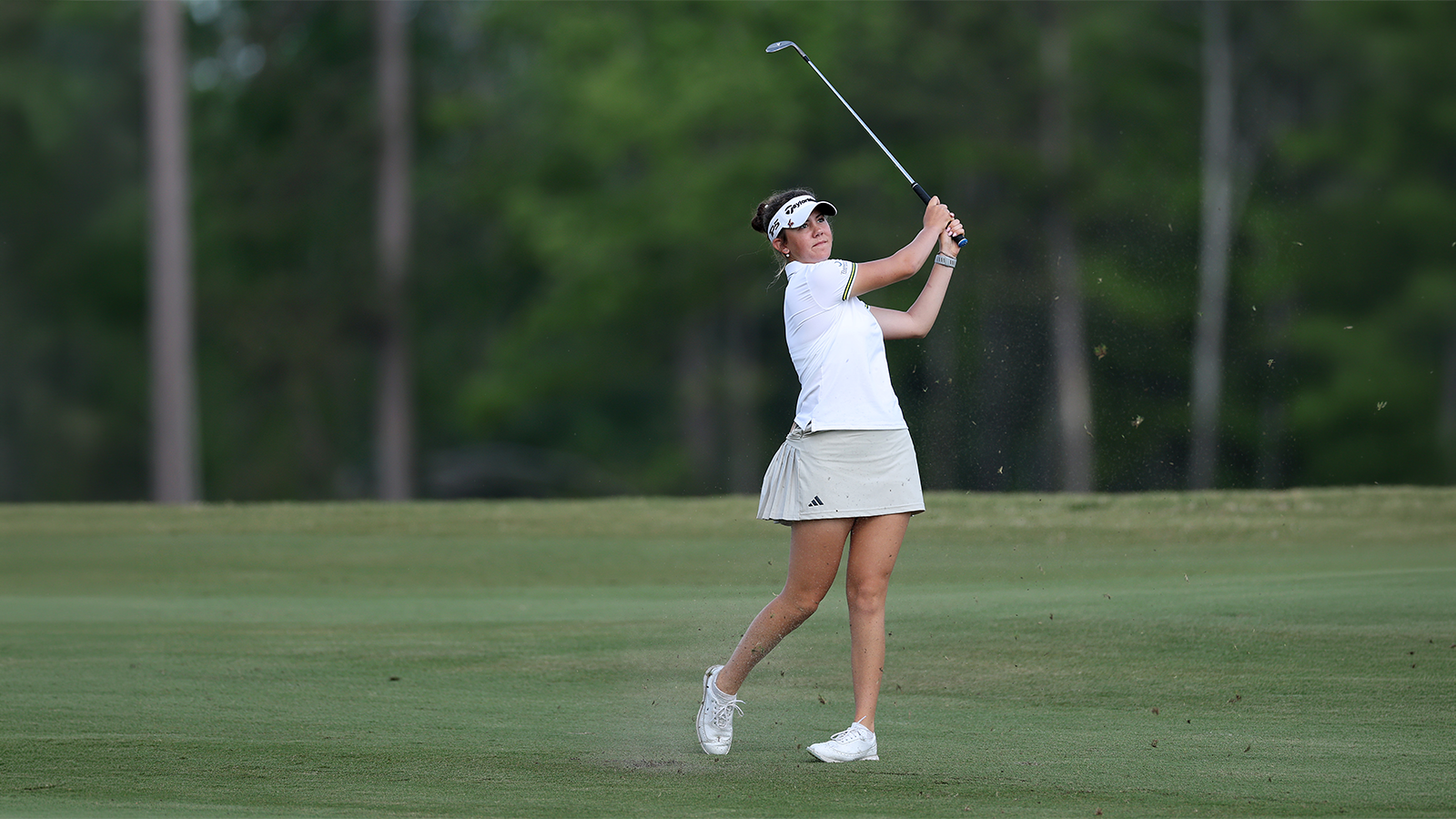
Asterisk Talley has been one of the best stories of the Augusta National Women’s Amateur through two rounds. The 17-year-old Junior PGA Champion from California posted rounds of 66 and 67 at Champions Retreat to reach 11-under 133, taking a one-shot lead into the final round at Augusta National. Just as impressive, she played the first 36 holes without a bogey, becoming the first player to do that at Champions Retreat since the event began in 2019. After finishing runner-up in this championship last year and tying for 29th in the LPGA Ford Championship last week, Talley looks every bit like a young player who knows how to handle a big moment.
The scores matter, of course. But from a coaching standpoint, what really stands out is how she is getting it done. This is not just a story about talent. It is a story about discipline, patience, awareness and smart aggression. For golfers trying to improve their own games, there is a lot to learn here.
Start Fast Without Speeding Up
One of the most revealing details from Talley’s second round was that she birdied her first three holes. That jumps off the page. But what I like even more is that she did not let that quick start throw her off her rhythm. She kept playing with control, stayed patient and never turned a hot beginning into a rushed round.
That is an important lesson for any golfer. A good start can tempt players into getting ahead of themselves. They start firing at every flag. They begin thinking about the score too early. They speed up their walk, their routine and their decision-making. Before long, a strong start turns into a sloppy middle.
The best players do not just start well. They keep their pace. In modern coaching, we talk a great deal about routines, breath control and staying in the present. That is not fluff. It is performance. Talley’s first two rounds looked like the work of a player who was free enough to score and grounded enough not to chase.
Action Item: On your next round, commit to the same pre-shot routine on every full shot for the first six holes, whether you make birdie, bogey or par. The goal is to make your pace more consistent than your emotions.
Protect the Scorecard
Talley’s bogey-free 36 holes are not just a fun stat. They are a blueprint. A lot of golfers get fixated on making more birdies, and I understand why. Birdies are exciting. They feel like progress. But for most players, lower scores come from eliminating mistakes before they come from producing more magic.
Bogey avoidance usually comes from simple but disciplined habits. Pick smarter targets. Favor the part of the green that leaves an easier next putt. Do not short-side yourself chasing a tucked flag. Make sure your club choice matches the shot, not your ego. Golf punishes impatience in a hurry, especially on demanding setups.
That is one of the quiet strengths in Talley’s play so far. She has clearly taken advantage of chances, but she has also kept the big number out of sight. That is mature golf. It is also the kind of golf that travels well, whether you are playing a major amateur championship or your Saturday money game.
Action Item: For one full round, aim for the fat side of every green unless you have a wedge in your hand. Track how many double bogeys or short-sided misses you avoid. That stat will tell you more than your birdie count.
Stay Disciplined With Approach Shots
One of the more telling comments coming out of this championship was about the need for patience and discipline with approaches, especially with Augusta National waiting for the final round. That is exactly right. Elite golf is often a second-shot game disguised as a driving contest. Where the ball finishes on and around the green matters enormously.
This is where average golfers can make real gains. You do not need a perfect swing to become a better approach player. You need better awareness. Know your carry numbers. Understand how far the ball releases with each club. Respect front pins, back shelves and the side of the hole that turns a decent shot into a stressful recovery.
Modern coaching is not just about mechanics anymore. It is about pairing mechanics with decisions. A technically solid swing only goes so far if the player keeps choosing the wrong target. Talley’s first two rounds suggest a player who understands where aggressive golf ends and foolish golf begins.
Action Item: During your next practice session, hit nine approach shots to three different targets and divide the green into left, center and right sections. Your goal is not to hit every pin. Your goal is to learn how to place the ball in the safest scoring window.
Let Confidence Come From Preparation
Talley is not playing like someone hoping it all holds together. She is playing like someone who has built belief the right way. Last year she finished one shot short at this championship. Last week she tested herself on the LPGA stage. This week she has looked comfortable, composed and ready. That kind of confidence is usually earned, not borrowed.
That is another strong lesson for golfers of any level. Real confidence does not come from saying the right things. It comes from doing the right work often enough that trust starts to grow. It comes from showing up prepared. It comes from practicing with intention instead of just beating balls. It comes from having a plan when things get uncomfortable.
Too many golfers want confidence before they have given themselves a reason to feel it. The better path is to build habits that create trust. That is what holds up under pressure.
Action Item: Before your next round, write down three things you do well, one swing thought you want to avoid and one simple commitment for the day, such as “pick conservative targets” or “stay patient after mistakes.” Use preparation to settle your mind before the round starts.
The Bigger Takeaway
Talley still has one more day and one very famous golf course in front of her, so nothing is settled yet. But through two rounds, she has already offered a terrific reminder of what good competitive golf looks like. It is steady. It is smart. It is patient. And when the moment calls for it, it is aggressive in the right places.
That is a formula worth borrowing. Play with structure. Protect your card. Respect your approach shots. Build confidence through preparation.
Right now, Asterisk Talley is not just leading a championship. She is showing golfers everywhere what composed, modern golf can look like.
PGA of America Golf Professional Brendon Elliott is an award-winning coach and golf writer. To stay updated on his latest work, sign up for his newsletter and visit OneMoreRollGolf.com.