Leaderboards
  Become a Member
  Shop
Shop  Trade In
 quick coaching
How to Make More Birdies: 4 Keys From Chris Gotterup
By Brendon Elliott, PGA
Published on
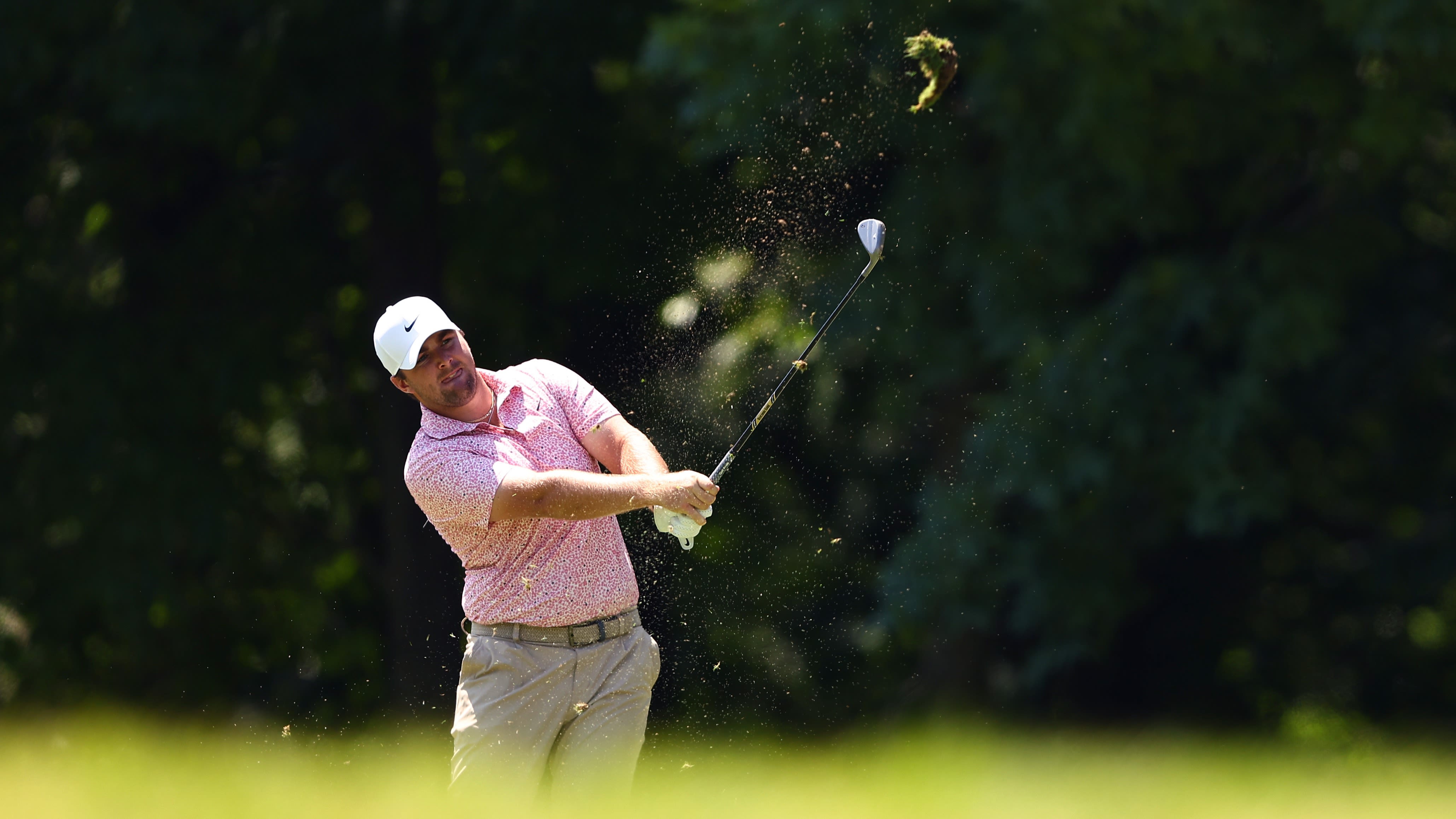
Chris Gotterup did not just win the John Deere Classic. He went and took it.
A final-round 62 at TPC Deere Run is the kind of number that jumps off the page, especially when it comes on Sunday with a trophy on the line. But the real lesson for everyday golfers is not that Gotterup made a bunch of birdies. Tour players do that.
The lesson is how a player creates birdie chances without getting reckless, then keeps his mind quiet enough to convert them. That is a skill every golfer can learn at their own level.
Going low is not about swinging harder or suddenly chasing every flag. It is about knowing where your scoring chances are, building momentum one smart shot at a time and staying committed after something good happens.
That last part matters more than most golfers realize.
Know Where to Score Before the First Tee
Most amateur golfers start a round hoping they “have it” that day. Great players are more specific. They know where they can attack, where they need to be patient and which clubs or yardages give them the best chance to score.
When you think you have to make birdies, you start pressing. You fire at tucked pins, force drivers into narrow spots and get impatient when a putt does not fall early.
The better approach is to identify your personal scoring zones before the round.
For most golfers, that means asking three questions:
- Which tee shots give me the best chance to play from the fairway?
- What wedge or short-iron yardages do I trust most?
- Where are the holes where par is a good score?
That kind of plan keeps you from treating every hole the same. It also gives you permission to be aggressive when the shot actually fits.
Attack With a Green-Light System
One thing I love about watching players like Gotterup is that their aggression has structure. It is not emotional. It is not based on whether the last putt went in or whether someone else made birdie. It is based on the shot in front of them.
That is a huge lesson for everyday golfers.
Most players get more aggressive after a birdie and more defensive after a mistake. Both reactions can cause problems. After a birdie, you may try to “keep it going” and make a poor decision. After a bogey, you may steer the next tee shot and make another mistake.
Instead, try using a simple green-light system.
A green-light shot is one where the club fits, the target fits and the miss is manageable. That is when you can be more aggressive.
A yellow-light shot is one where part of the equation is uncomfortable. Maybe the pin is tucked, the lie is not perfect or the wind is tricky. In those moments, aim more toward the middle of the green or the fat side of the fairway.
A red-light shot is one where the penalty for missing is too severe. That is when the smart play is not cowardly. It is disciplined.
Good scoring golf is not conservative golf. It is selective aggression.
Build Your Round Around Your Best Yardages
If you want to make more birdies, stop only thinking about how far you hit the driver. Start thinking about what yardages you want for your next shot.
Tour players are excellent at this. They know the difference between a full wedge, a three-quarter wedge and an awkward in-between number. Amateurs often hit driver as far as possible, then accept whatever distance remains. That can work on some holes, but it is not always the best scoring strategy.
The next time you practice, identify three wedge yardages you can rely on. They do not need to be perfect. They just need to be predictable.
Try this wedge ladder:
- Pick one wedge and hit 10 balls with a half swing.
- Hit 10 balls with a three-quarter swing.
- Hit 10 balls with a full swing.
- Write down the average carry distance for each one.
- Use those numbers on the course when choosing your tee shot or layup.
For example, if your best wedge number is 85 yards, then a 350-yard par 4 may not automatically call for driver. If 3-wood or hybrid leaves you near that 85-yard window from the fairway, that may be your better birdie plan.
Going low often means working backward from the green.
Make the Big Target Feel Small
One reason tour players produce so many birdie chances is that they are incredibly specific with their targets. They are not simply aiming “at the fairway” or “at the green.” They pick a tree, a bunker edge, a TV tower, a shadow, a section of green or a precise start line.
Average golfers can improve quickly by doing the same.
Before each shot, pick the smallest realistic target you can commit to. With a driver, that might be a tree in the distance. With an iron, it might be the left-center portion of the green. With a wedge, it might be a landing spot, not just the flag.
This does two things. First, it sharpens your focus. Second, it gives your body a clearer job. Golf is hard enough when the target is specific. It becomes much harder when the target is vague.
A simple rule: if your target is “somewhere over there,” you are not ready to swing.
Chris Gotterup’s John Deere win was a showcase of talent, confidence and scoring firepower. But underneath the 62 was something every golfer can use: commitment.
You do not have to overpower a golf course to go low for your level. You have to know your best shots, choose better targets, attack when the situation calls for it and stay disciplined when it does not.
The next time you play, do not simply chase birdies. Build a plan that gives birdies room to happen.
That is how good rounds become great ones.
PGA of America Golf Professional Brendon Elliott is an award-winning coach and golf writer. Read his recent “The Starter” on R.org and his stories on Athlon Sports. To stay updated on his latest work, sign up for his newsletter and visit OneMoreRollGolf.com.