quick coaching

What We Can Learn from Tiger Woods: Resilience, Adaptation, and Parenting
By Brendon Elliott, PGA
Published on

Tiger Woods is an icon in the world of golf, not only for his triumphs on the course but also for his incredible comebacks after numerous injuries. His story is rich with lessons for golfers of all levels. If there's anyone who epitomizes resilience and adaptability, it's Tiger. Let's delve into the invaluable lessons his journey has to impart.
Acceptance of Physical Limitations
One of the first steps in Tiger's numerous comebacks from injury was accepting and working around his physical limitations. With multiple back surgeries and injuries, Tiger has had to acknowledge that some aspects of his previous swings were no longer feasible. He has adapted by making the necessary modifications to his technique each time. For everyday golfers, understanding your body's limits can prevent injuries and improve your game. Instead of forcing a swing your body can't handle, focus on creating a technique suited to your physical abilities.
Reinvent Your Technique
Tiger Woods has rebuilt his swing multiple times throughout his career, tailoring it to his evolving physical state. This reinvention is a testament to the importance of flexibility in your game. Incorporate regular assessments of your swing and seek professional guidance from a PGA Professional for expert guidance. Even a slight change in technique can significantly impact your performance and reduce strain on your body. Embrace change as a tool for improvement rather than a setback.
Commitment to Physical Conditioning
Tiger's remarkable fitness regimen is key to his success and longevity in golf. Despite his injuries, he has maintained a high level of fitness, emphasizing the importance of physical conditioning. Golfers who incorporate strength training, flexibility exercises, and cardio can improve their performance on the course. A well-rounded fitness routine prepares their body to handle the rigors of playing, potentially prolonging their golfing journey.
Mental Resilience
Returning from injuries requires more than physical readiness; it demands mental toughness. Tiger's ability to stay focused and positive despite setbacks is an inspiring lesson. Cultivate a mindset that embraces challenges and finds motivation in adversity. Techniques such as visualization, meditation, or working with a sports psychologist can bolster your mental game, helping you remain composed and confident under pressure.
Patience is Key
Tiger's journey has not been without its share of frustrations, but his patience has been pivotal. Healing and adjustment take time, and patience is essential in navigating the ups and downs. Realize that improvement doesn't happen overnight, whether you're rehabbing an injury or simply adjusting to a new technique. Set realistic goals and celebrate small victories along the way.
Guiding the Next Generation: What Parents Can Learn from Tiger Woods
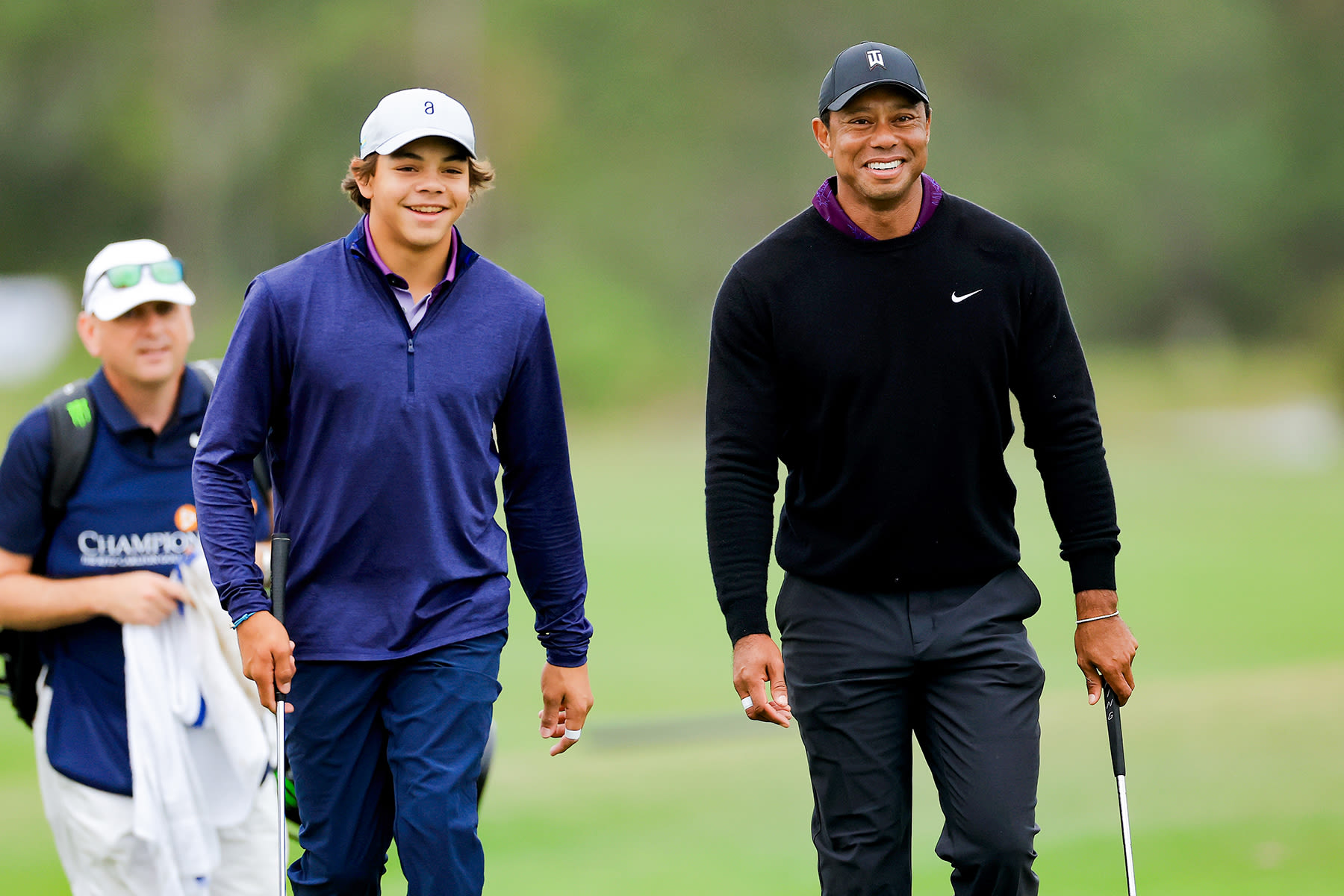
Tiger Woods has not only mastered the art of personal comeback but is also gracefully navigating the role of guiding his son, Charlie, as he enters the competitive world of golf. Parenting a young athlete presents its own unique challenges, and Tiger's approach offers insightful guidance for parents aiming to support their children in sports.
Fostering Passion Over Pressure
Tiger understands the importance of nurturing Charlie's natural passion for golf without imposing undue pressure. Parents should focus on creating an environment where children can explore their interests. Encourage a genuine love for the game rather than forcing performance expectations. This approach cultivates intrinsic motivation, enabling young athletes to develop a lifelong relationship with the sport.
Balanced Guidance and Independence
While Tiger offers guidance to Charlie, he also promotes independence. Encouraging a balance between instruction and self-discovery is crucial. Allow your child to experiment, make decisions on the course, and learn from their own experiences. This promotes confidence and a sense of ownership over their game.
Leading by Example
Tiger sets an example for Charlie by demonstrating hard work, dedication, and sportsmanship. Children often emulate their parents' attitudes and behaviors—model values you wish to instill, such as perseverance, discipline, and humility. Let your actions speak louder than words.
Emphasizing Enjoyment and Growth
Tiger emphasizes enjoyment and steady improvement over results. Celebrate your child's progress and efforts, not just victories. This approach encourages resilience and a growth mindset, where setbacks are seen as opportunities for learning rather than failures.
Building a Supportive Environment
Creating a supportive environment extends beyond just practice sessions. Encourage healthy competition, provide access to resources, and surround your child with positive role models. Foster a network that supports both their athletic and personal development.
By following Tiger's example, parents can play a pivotal role in fostering their children's athletic pursuits. Striking a balance between guidance and independence, emphasizing passion, and modeling positive values can help nurture skilled athletes and well-rounded individuals ready to face life's diverse challenges.
Brendon R. Elliott, PGA

Sorrento, FL

Brendon Elliott

Director of Instruction, Freelance Golf Writer

[Brendon Elliott, PGA](https://brendonelliott.com/), is an award-winning PGA Professional, player-development coach and nationally recognized golf writer with three decades of experience in the golf industry. As of 2026, he has been a PGA Professional for 17 years and has earned more than 25 PGA Section and Chapter honors for his work in coaching, education and player development. In 2017, he received the PGA of America National Youth Player Development Award. ## Coaching Competitive Teenage Golfers Through [BE A GOLFER](https://beagolfer.golf/home), Brendon specializes in working with competitive teenage golfers who want to improve their performance, better understand their games and prepare for the demands of high school, junior tournament and college golf. His primary focus is [Remote Coaching](https://beagolfer.golf/remote-coaching), which allows him to remain actively involved in a player’s development regardless of location. Rather than relying on occasional lessons or isolated swing fixes, Brendon works with players throughout their competitive journey. His coaching covers much more than the golf swing. Players receive ongoing guidance in structured practice, short-game development, putting, course management, tournament preparation, performance analysis, goal setting and the mental and physical habits required to improve over time. Using video analysis, virtual coaching sessions, performance data and regular communication, Brendon helps each player understand what to work on, why it matters and how to make meaningful progress between practices and tournaments. Brendon accepts only a limited number of in-person students in Central Florida. His priority is building long-term [Remote Coaching](https://beagolfer.golf/remote-coaching) relationships with competitive teenage golfers and their families. The goal is not simply to help a young player hit better shots. It is to help that player become more prepared, more accountable and more capable of navigating everything competitive golf demands. Brendon’s career has included serving as a head golf professional, general manager, college golf educator, career development director, academy owner and longtime junior golf leader. He founded Little Linksters Golf Academy in 2008 and led the organization for more than 16 years before selling the academy in late 2024 and launching [BE A GOLFER](https://beagolfer.golf/home). ## Golf Writing and Media Brendon is also a nationally recognized and prolific golf writer and storyteller. He is the Senior Golf Writer for [Athlon Sports](https://athlonsports.com/author/brendon-elliott) and has written extensively about professional golf, instruction, player development, equipment, golf history and the people shaping the game. His work has also appeared with PGA.com, GolfWRX, PGA Magazine, MyGolfSpy and several other prominent golf media outlets. Through [One More Roll Golf Media](https://onemorerollgolf.com/), Brendon provides editorial content, feature writing, consulting and media services throughout the golf industry. His background as a coach and educator shapes the way he writes, while his work as a writer strengthens the way he coaches. He understands how to explain complicated ideas clearly, ask better questions and connect the technical, strategic and personal sides of golf.