Leaderboards
  Become a Member
  Shop
Shop  Trade In
 Beginner
Sei Young Kim & Chizzy Iwai Reveal the Simple Secrets to Lower Scores for Everyday Golfers
By Brendon Elliott, PGA
Published on
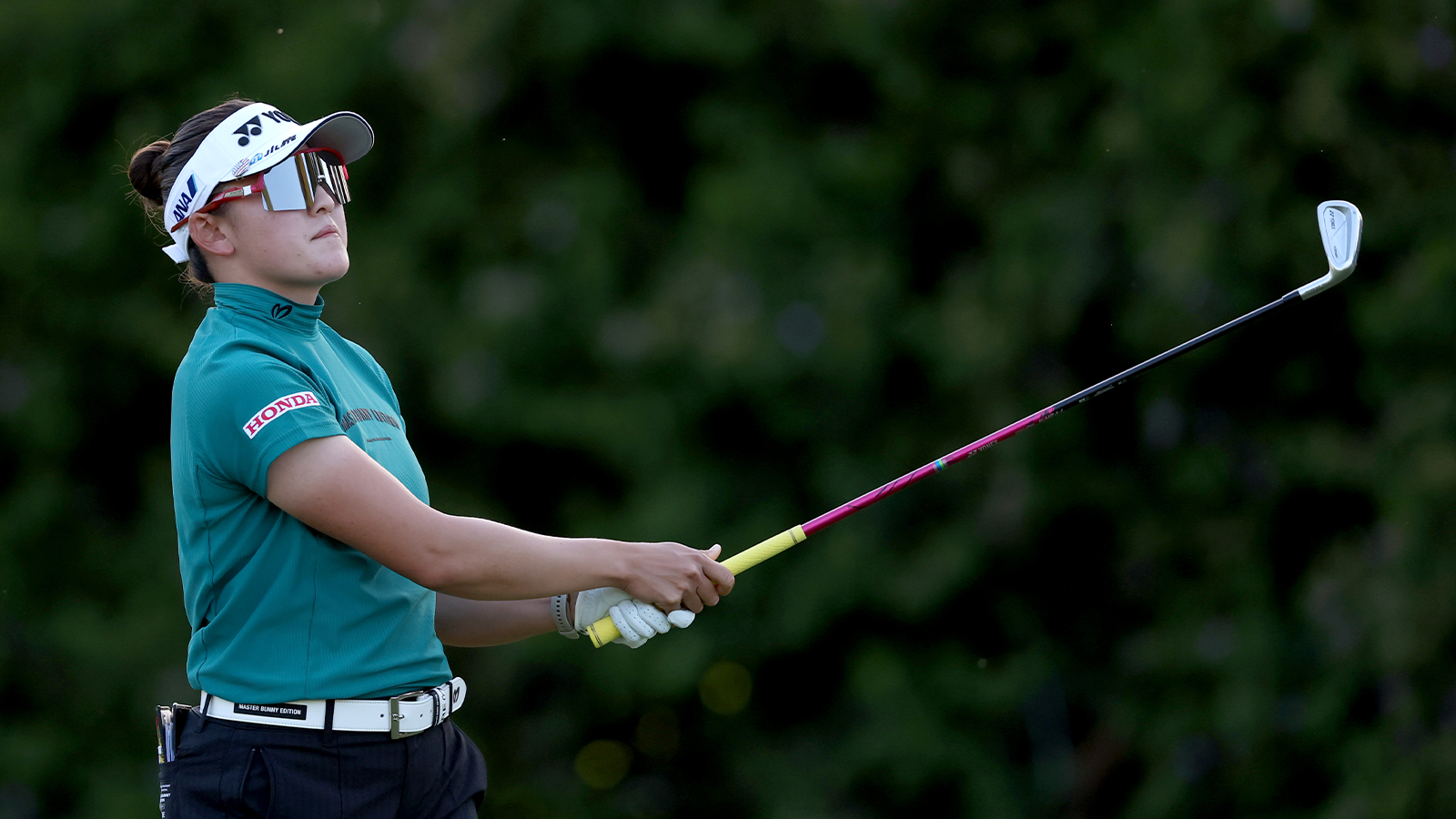
Good coaching ideas often come from watching how top players separate themselves, not just from the highlight shots, but from the patterns that keep producing good scores.
That is what stood out through 36 holes at the LPGA’s JM Eagle LA Championship. Sei Young Kim got to 14-under with back-to-back 65s, while Chizzy Iwai put herself in the mix with a brilliant opening 63 and steady play after that. For everyday golfers, those performances offer two very useful lessons. One is about consistency and managing a round. The other is about giving yourself more quality scoring chances.
Tip No. 1: Build Kim-Like Consistency by Stacking Good Decisions
When a player posts two straight rounds of 65, it usually means more than just making putts. It means she is managing the golf course well, keeping mistakes small and staying in control of her swing and emotions.
That is the first lesson golfers can take from Kim’s play. Most amateurs get in trouble when they try to recover from one poor shot with another risky one. The better approach is to start stacking solid decisions, one hole at a time.
Here is how to do that.
First, create a simple decision-making system before every full swing. Think of shots in three categories:
- Green light: clean lie, comfortable yardage, little trouble
- Yellow light: decent setup, but some risk is in play
- Red light: poor lie, awkward number or penalty trouble nearby
On a green-light shot, you can be aggressive to a specific target. On a yellow-light shot, aim for the safest side of your target. On a red-light shot, your goal is simply to advance the ball into the next good position.
That one habit can save strokes quickly because it helps you stop compounding mistakes.
Next, learn what your stock shot is and commit to it. For most golfers, a stock shot is not the prettiest shot they have ever hit. It is the one they can repeat when they need it most.
A good way to practice this is with a 7-iron. Pick one target and one ball flight, even if it is simply a mostly straight shot with a slight fade. Hit 10 balls trying to start each one on the same line. Do not judge the session by perfection. Judge it by the pattern. The tighter the pattern, the more reliable your stock shot becomes.
Finally, add a reset routine after every hole. This matters more than many golfers realize. After each hole, whether it was a birdie or a double bogey, take one breath, let the last hole go and commit to one clear intention for the next tee shot.
That reset keeps one mistake from turning into three.
If you want a practical Kim-inspired goal for your next round, try this: focus on playing seven or eight calm, low-stress holes first. Birdies are great, but they usually come more often when you stop forcing them.
Tip No. 2: Create More Birdie Chances With Iwai-Like Ball-Striking
Iwai’s fast start was the other big coaching takeaway. Her opening 63 was not just low. It was clean. She kept the ball in play, hit plenty of greens and gave herself repeated scoring opportunities.
That is a reminder that better scoring often starts before the putter ever comes out.
Many golfers assume they need to make more long putts to go low. In reality, a lot of better scoring comes from giving yourself more realistic birdie looks by driving it into better spots and hitting more approach shots onto the green.
Start with your tee shots. Too many amateurs stand on the tee with a vague thought like, “Just hit the fairway.” That is not specific enough.
Instead, pick the exact side of the fairway you want to favor. Then choose a spot a few feet in front of the ball as your intermediate target. Make one rehearsal swing that matches the shot shape you want, then step in and hit it.
That process gives your swing more clarity and your clubface a better chance to do what you want.
Then work on approach shots with a middle-of-the-green mindset. Elite players do not chase every flag. They understand that hitting more greens often matters more than firing at every pin.
A great practice drill is to divide the green into three zones: left, center and right. From 100 to 150 yards, hit 10 approach shots with the goal of landing as many as possible in the center zone. Give yourself two points for center, one point for left or right and zero for a miss. That scoring system trains better discipline and gives you a realistic way to measure progress.
One more step can make this even more effective: connect your practice the way the game is actually played. Hit one tee shot. Based on where it finishes, choose the club you would hit into the green. Then hit the approach. Judge the two shots together, not separately.
That is how scoring opportunities are built on the course, and it is how golfers can make their practice more meaningful.
If you want a simple Iwai-inspired goal for your next round, try to hit two more fairways and two more greens than you normally do. That alone can make a huge difference in your score.
The Takeaway
Kim and Iwai may have gotten there in slightly different ways, but the lesson for the rest of us is the same. Better golf usually comes from making the game less chaotic.
Kim’s first two rounds showed the value of control, patience and smart decisions. Iwai’s play showed how much easier scoring becomes when you drive it well and keep giving yourself chances with your approach shots.
For the average golfer, that is encouraging. You do not need tour-level power to use either lesson. You just need a better plan, a more repeatable pattern and the discipline to stick with it.
That is where lower scores begin.
PGA of America Golf Professional Brendon Elliott is an award-winning coach and golf writer. Read his recent “The Starter” on R.org and his stories on Athlon Sports. To stay updated on his latest work, sign up for his newsletter and visit OneMoreRollGolf.com.