Leaderboards
  Become a Member
  Shop
Shop  Trade In
 Advanced
Four Drills to Copy Gary Woodland’s Winning Strategy for Better Dispersion, Alignment and Control
By Brendon Elliott, PGA
Published on
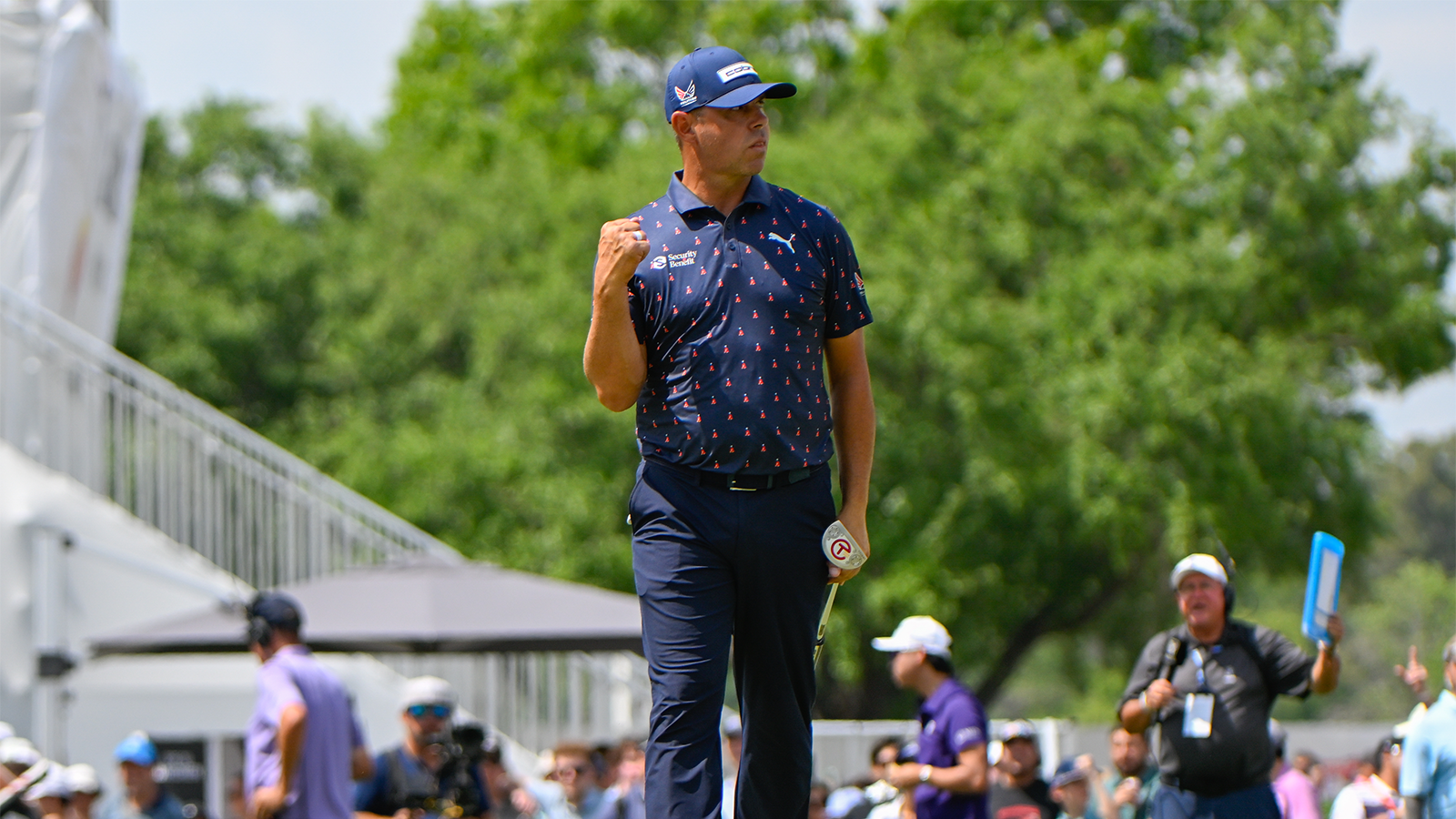
Gary Woodland’s victory on Sunday at the Texas Children’s Houston Open was powerful for a lot of reasons. It was his first PGA TOUR win since the 2019 U.S. Open. It came after brain surgery in September 2023, and it followed his recent public discussion of the PTSD struggles he has faced during his comeback. It also came with some very practical golf lessons. Woodland closed with a 3-under 67, won by five shots, used a putter change to improve alignment and got better iron control after moving into stiffer shafts.
For everyday golfers, that is the real takeaway. This was not some mystery week where everything magically clicked. Woodland’s golf looked disciplined, clear and repeatable. That is good news for the rest of us, because those are traits amateurs can build, too. Here are four action items inspired by what Woodland showed in Texas.
Reset Faster After a Bad Swing
One of the best quotes from Woodland’s week came after a mistake. Following a poor tee shot into the water on the 13th hole during Friday’s round, he said coach Randy Smith, PGA, calls that kind of miss an “oops,” and he was proud that he let it go instead of letting it hijack the rest of the day.
Action item: Build a 15-second reset routine.
- Name the mistake quickly: “push,” “chunk,” “too aggressive,” whatever fits.
- Take one slow breath while walking.
- Pick the next target before you think about your swing again.
- Commit to your stock shot, not the hero shot.
How this helps: Most amateurs do not lose shots because of one bad swing. They lose them because one bad swing turns into three. A simple reset routine keeps emotion from spreading. Woodland’s week was a reminder that resilience is not hype. It is a skill.
Play for Your Pattern, Not for Perfect
Woodland was not striping every drive. In Friday’s second round, he hit only five fairways, but he was rarely out of position. That matters. He was still giving himself chances because he understood where he could miss and still play from there.
Action item: Start choosing targets that fit your miss.
Before your next round, write down your usual pattern off the tee. Is it a fade? A pull? A low bullet that runs? Then do this on every tee box:
- Identify the side of the hole where your miss has room.
- Aim there, even if it does not look heroic.
- Judge the shot by whether it stayed playable, not whether it looked pretty.
How this helps: Too many golfers aim as if their best swing is about to show up every time. That is fantasy golf. Better golf comes from knowing your pattern and planning around it. Woodland did not need perfect to win. He needed playable.
Check Your Alignment Before Blaming Your Stroke
One of the more useful details from Woodland’s week was technical, not emotional. He said his alignment had been off on the greens, and he changed putters to help. That freed him up enough that by the third round he was reported to be leading the field in strokes gained on approach and ranking second in putting.
Action item: Run a simple putting-alignment check.
On the practice green:
- Set a chalk line or string on a straight 5-foot putt.
- Hit 10 putts with the clubface matching the line.
- If you keep missing the same side, check your shoulders, eye line and face aim.
- Do not change your stroke until you know your setup is square.
How this helps: Many golfers blame tempo when the real problem is aim. If your putter is not set where you think it is, your stroke is trying to solve the wrong problem. Woodland’s week is a great reminder that sometimes the fix is not dramatic. It is precise.
Make Iron Practice About Control, Not Just Contact
Woodland’s Houston win was built on more than emotion. His iron play was sharp, and the equipment tweak to stiffer shafts helped him control the golf ball better now that his speed had returned.
Action item: Practice a dispersion drill, not a highlight-reel drill.
Take one mid-iron and hit 10 balls to the same target.
- Pick a target with a clear left and right boundary.
- Track how many balls finish inside your “good shot” window.
- Repeat until you can get 6 of 10 inside that window.
- Only then switch clubs.
How this helps: Most golfers practice for that one flushed shot that makes them feel good. Better players practice for a tighter pattern. Control wins. Woodland’s week in Texas looked like control.
Let Golf Get Simpler
There is something else Woodland’s win offered, and it matters. He said after sharing his struggles publicly that he felt “1,000 pounds lighter,” and after the win he said, “I wasn’t alone today.”
That is worth remembering the next time your game starts to feel heavier than it should. Ask for help. Work with your coach. Practice with a plan. Keep your goals small enough to manage. The best lesson from Woodland’s week may be this: golf gets better when your mind gets clearer. And sometimes your next breakthrough starts with one honest reset, one smart target and one committed swing.
PGA of America Golf Professional Brendon Elliott is an award-winning coach and golf writer. Read his recent “The Starter” on R.org and his stories on Athlon Sports. To stay updated on his latest work, sign up for his newsletter and visit OneMoreRollGolf.com.