 Leaderboards
  Become a Member
  Shop
Shop  Trade In
 Beginner
Lessons From the Leaders at Augusta: 6 Simple Golf Skills Every Player Can Master
By Brendon Elliott, PGA
Published on
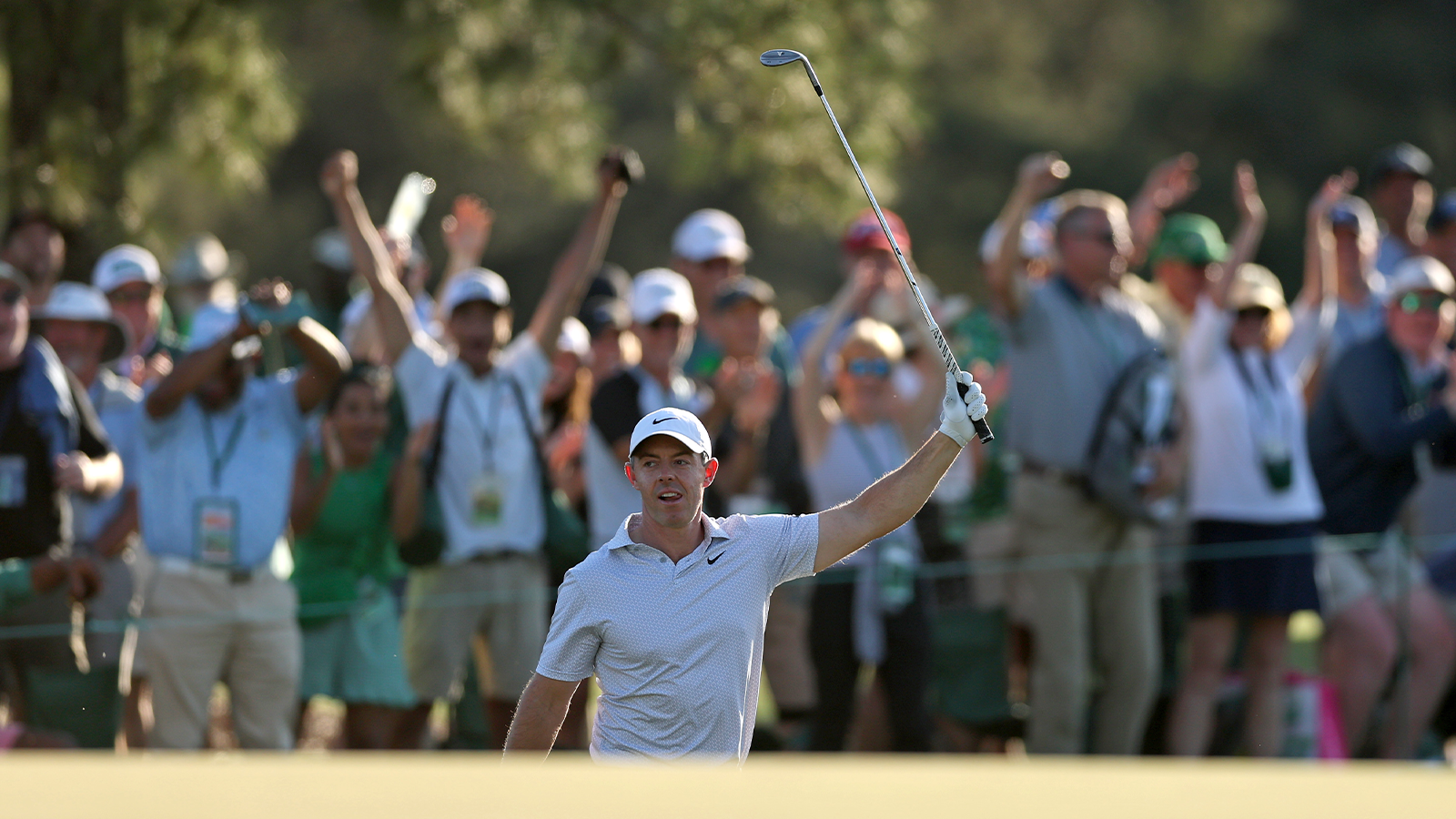
Augusta National has a way of revealing what travels under pressure. It is not just talent. It is commitment, touch, patience and the ability to trust a skill when the moment gets big.
That is why this week’s Masters leaderboard offers such a good coaching lens. Rory McIlroy, Sam Burns, Patrick Reed, Justin Rose, Shane Lowry and Tommy Fleetwood are all showing something that everyday golfers can learn from.
As a PGA Coach, what I like about this group is that their strengths are not abstract. They are trainable. Each one gives golfers of any skill level a clear takeaway they can put into play right away.
Rory McIlroy: Commit To The Shot
McIlroy’s superpower is freedom through commitment. When Rory is at his best, he is not guiding the club. He is seeing the shot, trusting it and making an athletic swing.
That is a great reminder for amateur golfers. Too many missed shots happen because the body is swinging while the mind is still unsure.
What I like about Rory’s approach is how clear it looks. There is very little hesitation.
Action item: Make every full swing with a clear picture and a committed finish.
Steps:
Pick the target and the shot shape before you step in.
Make one rehearsal swing that matches that picture.
Then swing to a full finish without trying to steer the ball.
For newer golfers, the target can simply be the safest side of the fairway or green. For better players, it can be a tighter start line. Either way, commitment matters.
Sam Burns: Master Speed On The Greens
Burns continues to show why elite putting travels anywhere. His pace control has been a huge asset, and that is something every golfer can improve.
Most amateurs spend too much time trying to read every break perfectly. Good putters know speed is often the real secret. Get the pace right and the hole suddenly feels bigger.
What I like about Burns is how calm the ball comes off the face. Nothing looks forced.
Action item: Practice speed first, then worry about line.
Steps:
Drop three balls at 20 feet, 30 feet and 40 feet.
Putt each one with the goal of finishing inside a 3-foot circle.
Then hit five putts from 6 feet, trying to roll each one just enough to fall in.
Higher handicaps will start building feel. Better players will sharpen distance control and eliminate those costly three-putts.
Patrick Reed: Use The Ground More Around The Green
Reed has always been dangerous because of his creativity around the greens. He understands that the smartest short-game shot is often the one that spends less time in the air.
That is a lesson many club golfers need. Not every chip needs loft. Sometimes the safest shot is the simplest one.
As a coach, what I like about Reed’s short game is that it is practical. He plays the shot the moment calls for, not the one that looks fancy.
Action item: Learn to choose a lower shot whenever you can.
Steps:
From just off the green, hit one shot with a wedge, one with an 8-iron and one with a hybrid or putter.
See which option gets the ball rolling sooner and finishes closer more often.
On the course, choose the shot that asks for the least perfect contact.
For beginners, that may mean putting from off the green more often. For advanced players, it means learning to use slopes and landing spots instead of forcing a high shot every time.
Justin Rose: Reset Quickly After Mistakes
Rose’s superpower is composure. He has long been one of the game’s best at staying patient and keeping a round from getting away from him.
That is a major skill for amateur golfers. One bad swing does not ruin a hole. The next decision usually does.
What I like about Rose is that he never seems in a hurry to panic. That is a great trait for golfers at every level.
Action item: Build a reset routine for after poor shots.
Steps:
After a mistake, take one slow breath before doing anything else.
Then choose the club for the next shot.
Then pick the safest smart target and commit to that play.
My advice to students is simple here. Do not try to fix your swing while walking to the next ball. Play golf first. Diagnose later.
Shane Lowry: Learn One Lower Ball Flight Shot
Lowry is a terrific example of a player who can control trajectory and manage his ball in demanding conditions. That kind of control is useful well beyond Augusta.
A lower, more controlled shot can help golfers in the wind, help with contact and help take some spin off nerves.
As a PGA Coach, what I like about Lowry’s game is how repeatable it looks when conditions get tricky.
Action item: Develop one stock lower shot you can trust.
Steps:
Take one extra club.
Move the ball back about one ball in your stance.
Make a shorter finish and feel your chest keep turning through the shot.
For less experienced golfers, try this first with short irons. For stronger players, build it into your wedge and mid-iron game. You do not need a dramatic stinger. You just need a reliable, lower window.
Tommy Fleetwood: Finish In Balance
Fleetwood’s ball-striking has long stood out, and one big reason is balance. His swing has rhythm, sequence and control.
That matters for amateurs because many golfers chase speed before they can control motion. Balance is often the missing link.
What I like about Fleetwood is that his swing always seems to arrive at a finish he could hold all day.
Action item: Train balance by holding your finish on every practice swing.
Steps:
Hit 10 range balls at about 70 percent effort.
Hold your finish until the ball lands.
If you cannot stay balanced, slow down and make the same swing again.
Beginners will usually find more centered contact this way. Better players often discover better tempo and tighter dispersion.
The Big Lesson
The biggest takeaway from this Masters group is not that every golfer needs six new moves. It is that great golf keeps coming back to a few dependable traits. Commit fully. Control speed. Use the ground. Reset quickly. Flight the ball. Finish in balance.
Those are not just Masters superpowers. They are skills every golfer can build.
And from my seat as a PGA Coach, that is the fun part. The game’s best players may do these things at a different level, but the habits themselves are available to everybody.
PGA of America Golf Professional Brendon Elliott is an award-winning coach and golf writer. Read his recent “The Starter” on R.org and his stories on Athlon Sports. To stay updated on his latest work, sign up for his newsletter and visit OneMoreRollGolf.com.