Golf Travel
  Leaderboards
  Become a Member
  Shop
Shop  Trade In
 quick coaching
How to Play Iron Shots From Tricky Lies, Inspired by Wyndham Clark
By Brendon Elliott, PGA
Published on
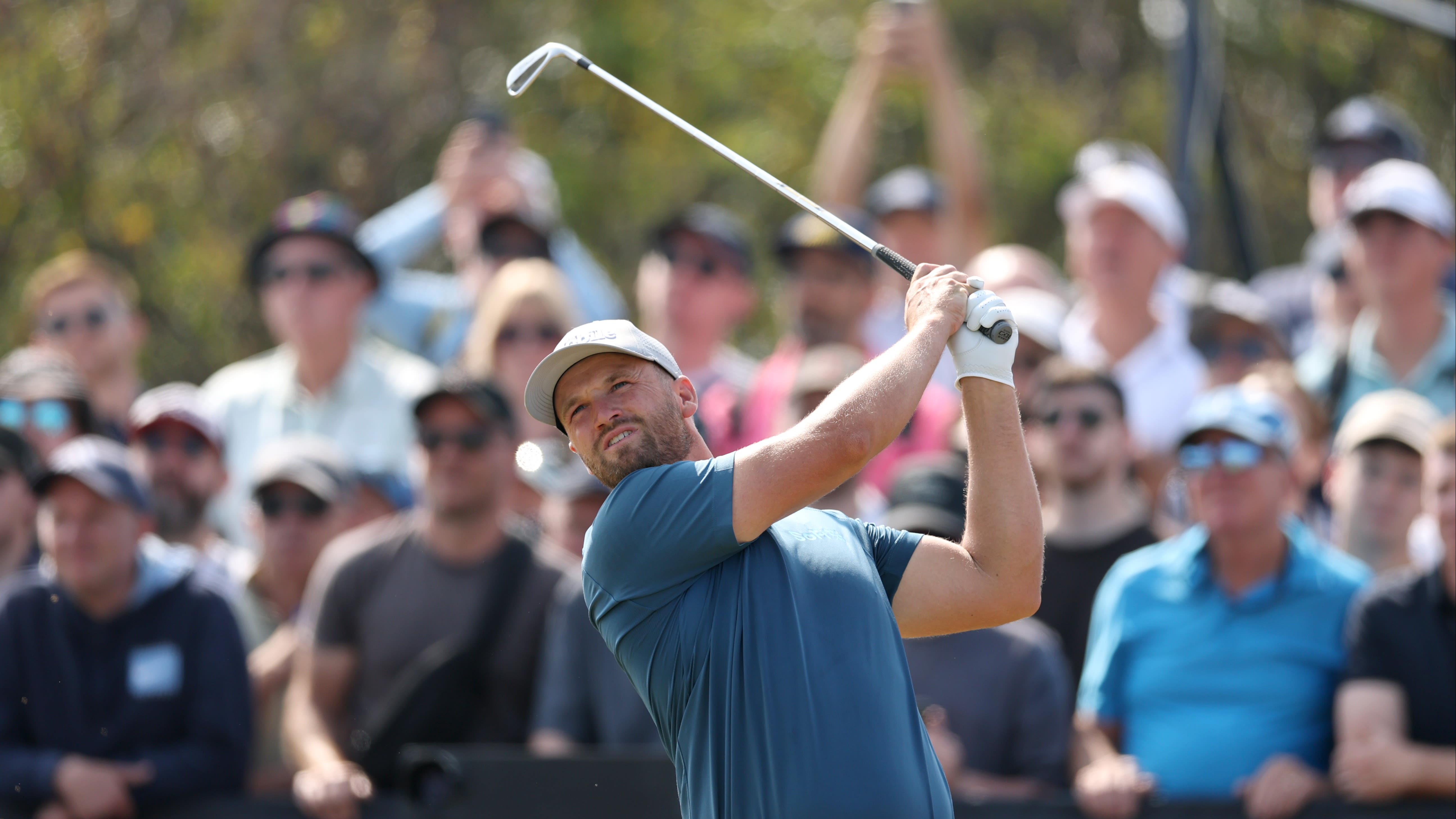
Wyndham Clark has made a difficult Bellerive Country Club look fairly manageable through two rounds of the BMW Championship. Consecutive 64s put him at 12-under and alone atop the leaderboard after 36 holes.
The number that catches my coaching eye is 31 of 36 greens in regulation. Clark also gained 4.419 strokes on approach, second in the field, and converted all five of his scrambling opportunities. That is a clean two days of golf.
Here is the part everyday golfers should notice: Clark hit 21 of 28 fairways. That is excellent, but it is not perfect. He missed seven fairways yet missed only five greens. The statistics do not tell us the lie or shape of every approach, but they reinforce a valuable point.
An imperfect tee shot does not have to become a missed green.
Too many golfers make that mistake before they ever swing. They find the yardage, grab the club that normally covers it and only then look down at the ball. Reverse that order. Read the lie first. The lie tells you which shots are actually available.
Let the Lie Make the First Decision
I see this frequently in lessons and on the course. A player has 155 yards to the flag, pulls the usual 7-iron and tries to make the lie cooperate with the club. It should work the other way around.
Before reaching for the rangefinder, walk around the ball and answer three questions:
- How much of the ball is above the grass?
- How much grass is likely to get between the clubface and the ball?
- Can I make my normal swing without the grass grabbing the clubhead?
Those answers should lead you toward one of three basic choices:
- If the ball is sitting cleanly in light rough, your normal shot may still be available. Keep the ball near its usual position and make your regular motion. Be aware that even a little grass or moisture between the face and ball can reduce spin, so the shot may release more after landing.
- If the ball is sitting high in fluffy grass, grip down about half an inch. The ball is higher than the club’s normal resting position, so the clubhead can slide underneath it or strike high on the face. Choking down helps you match the club to the ball’s height. Maintain your posture through impact instead of dropping your knees in an effort to get under it.
- If the ball is sitting down, stop asking whether you can reach the flag. Take a club with enough loft to get through the grass, play the ball about one ball farther back than normal and begin with slightly more pressure on your lead foot. Keep your grip pressure firm enough that the grass cannot twist the face easily. Expect a lower, shorter shot and choose the widest safe area available.
That last option will not always produce a green in regulation. It can still prevent a double bogey. I would much rather see a golfer leave a straightforward pitch from 25 yards than try to force a 6-iron through heavy rough and advance it 40 yards.
Practice the Prediction, Not Just the Swing
Most range sessions give golfers one perfect lie after another. Then the course asks a completely different question.
Find a practice area where you can safely hit an 8-iron from rough. Set up nine balls:
- Three on clean, light lies
- Three sitting up in fluffy grass
- Three sitting slightly down
Before every shot, say what you expect for launch, carry and release. Choose your setup from the lie, hit the shot and compare the result with your prediction.
Pay attention to contact, launch and how much the ball releases. Those observations become useful only when you write them down or remember the pattern. After a few sessions, the goal is not to make every lie produce the same shot. It is to stop being surprised by the shot a lie tends to produce.
Clark’s opening 36 holes were built on excellent approach play, but the lesson for the rest of us is not to copy a tour player’s swing. It is to stop treating every approach as if it came from a perfect fairway lie.
Read the ball first, then confirm the yardage. Let the lie narrow your club and target choices. Once you choose a shot the lie can support, commit to it.
That simple change will not help you hit 31 greens in two rounds. It will help keep one missed fairway from becoming two mistakes, and that is where lower scores often begin.
PGA of America Golf Professional Brendon Elliott is an award-winning coach and golf writer. Read his recent “The Starter” on R.org and his stories on Athlon Sports. To stay updated on his latest work, sign up for his newsletter and visit OneMoreRollGolf.com.