Leaderboards
  Become a Member
  Shop
Shop  Trade In
 Advanced
How Collin Morikawa Won at Pebble Beach: Mental Resilience, Strategy, and Trusting Your Strengths
By Brendon Elliott, PGA
Published on
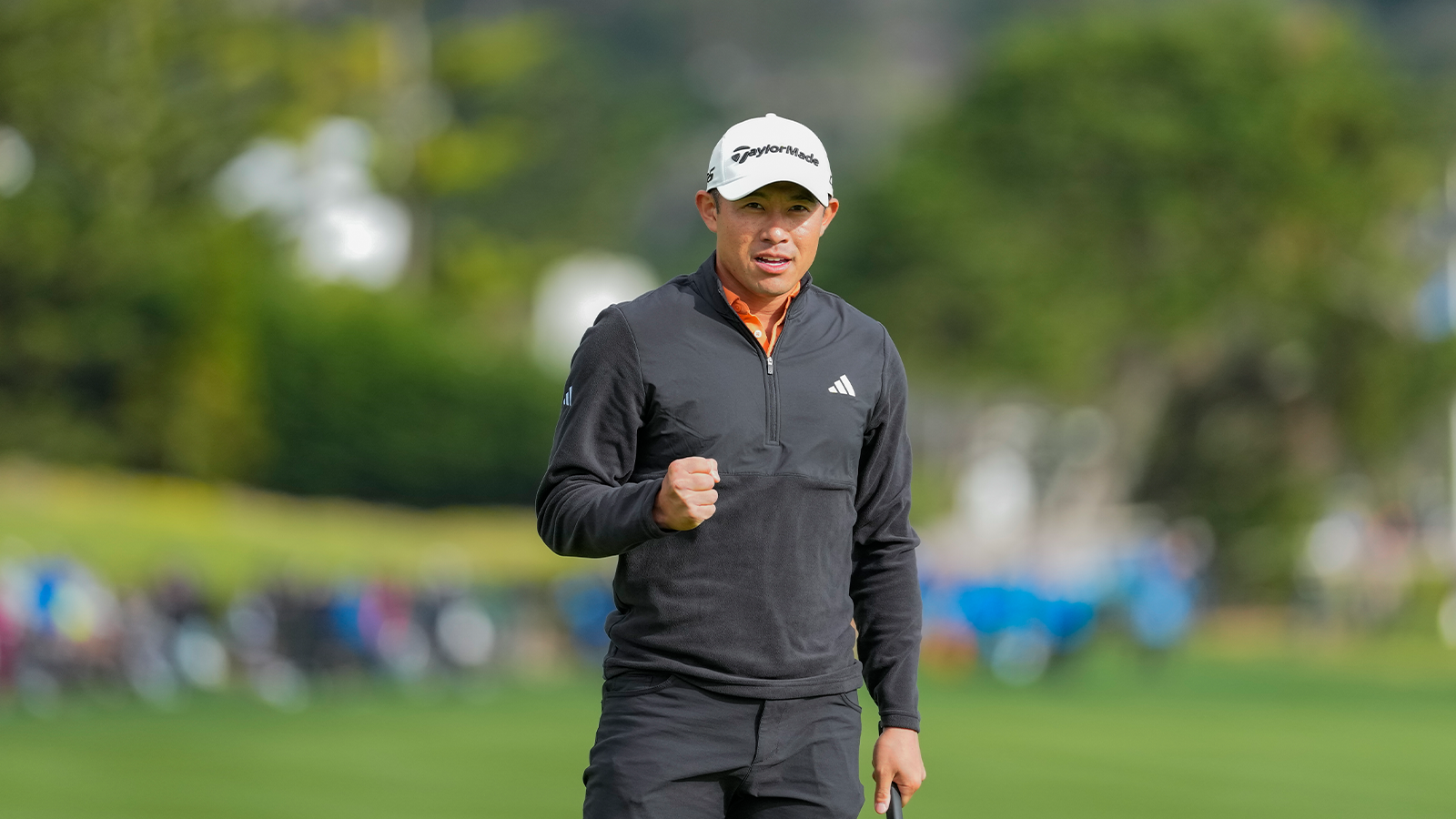
Collin Morikawa’s win at the AT&T Pebble Beach Pro-Am wasn’t just another tournament victory. It was a masterclass in mental resilience, strategic patience and trusting your strengths when doubt creeps in. After 45 starts without a win over more than two years, the Cal alum showed us exactly what it takes to break through when the pressure is highest.
Let’s break down the key lessons from his performance that you can apply to your own game.
Step 1: Play to Your Strengths When Everything Else Feels Off
Morikawa’s stats tell an interesting story. His putting was mediocre at best, ranking 44th in strokes gained putting with a slight loss of 0.050 strokes. His short game wasn’t spectacular either, sitting at 39th in around-the-green play.
But here’s what matters: He absolutely dominated with his approach shots, ranking first in the field with 9.681 strokes gained. He hit 83.33% of greens in regulation, good for second place. When your iron game is that dialed in, you don’t need to be a putting wizard.
Action item: Identify your strongest skill and lean into it. If you’re a great ball striker, focus on hitting more greens. If you putt well, work on getting yourself into positions where you have makeable birdie chances. Don’t try to fix everything at once.
Step 2: Stay Present During Uncomfortable Waits
The 18th hole on Sunday tested Morikawa in ways that had nothing to do with golf skill. Jacob Bridgeman hit his ball onto the beach, and the resulting delay meant Morikawa waited 20 minutes between his tee shot and approach shot. Twenty minutes. With the tournament on the line.
“I paced all through the emotions like 10 times at least,” Morikawa said. “I just had to keep moving.” “I just had to keep moving. These long breaks, they’re not good for anyone to stand still.”
He kept swinging an 8-iron to stay loose, kept his body moving and his mind engaged. When it was finally time to hit, he pulled off a great 4-iron for a two-putt.
Action item: When you face delays on the course, don’t let your body or mind go cold. Take practice swings. Walk around. Stay in motion. The worst thing you can do is stand still and let tension build.
Step 3: Trust Your Process When Results Don’t Come Immediately
Two and a half years is a long time between wins at the highest level. Morikawa could have panicked, overhauled his swing or chased quick fixes. Instead, he stayed the course.
“I think believing in myself,” he said when asked what he was most proud of. “I know everyone behind me and my team, my wife, they’ve all been with me and they knew it was going to come. I never let go of that.”
Action item: If you’re working on something in your game and not seeing immediate results, give it time. Real improvement takes longer than you think. Trust the process and the people helping you.
Step 4: Respond to Pressure with Aggression
When Scottie Scheffler made eagle on 18 to tie Morikawa for the lead, the easy response would have been to play safe. Instead, Morikawa rolled in a 30-foot birdie on the 15th hole, then stuck a 6-iron to 8 feet on 16 for another birdie.
Yes, he bogeyed the par-3 17th with his tee shot dangerously close to the ocean. But he’d already built enough cushion with those aggressive plays to absorb the mistake.
Action item: When the heat is on, don’t back down. If you have a shot you’re confident in, commit to it fully. Playing scared rarely produces the results you want.
Step 5: Keep Perspective Beyond the Scorecard
Morikawa and his wife announced they’re expecting their first child later this year. He started telling friends during tournament week, saying winning would be “the best way to announce it to the world.”
That perspective shift matters. Golf is important, but it’s not everything.
“There’s so much to life, there’s so much to enjoy,” Morikawa said through tears after his win.
Action item: Remember why you play this game. Whether it’s time with friends, the challenge of improvement or just being outdoors, keep golf in its proper place. The best rounds often happen when you’re not gripping too tight.
Morikawa’s victory reminds us that comebacks aren’t about being perfect. They’re about maximizing your strengths, staying composed under pressure and never losing faith that your best golf is still ahead of you.
PGA of America Golf Professional Brendon Elliott is an award-winning coach and golf writer. Read his recent “The Starter” on R.org and his stories on Athlon Sports. To stay updated on his latest work, sign up for his newsletter and visit OneMoreRollGolf.com.