Leaderboards
  Become a Member
  Shop
Shop  Trade In
 quick coaching
5 Tips From Legendary Open Champions to Play Better Golf
By Brendon Elliott, PGA & Ryan Adams, PGA
Published on
The Open returns to Royal Birkdale this week, where the wind, firm turf and uneven bounces will again make certainty difficult to find.
But that's the beauty of links golf. It tests your creativity, skill and mental game. No one knew that better than Open Champions Tiger Woods, Jack Nicklaus, Seve Ballesteros, Tom Watson and Arnold Palmer.
Here's a lesson from each of them and their victories:
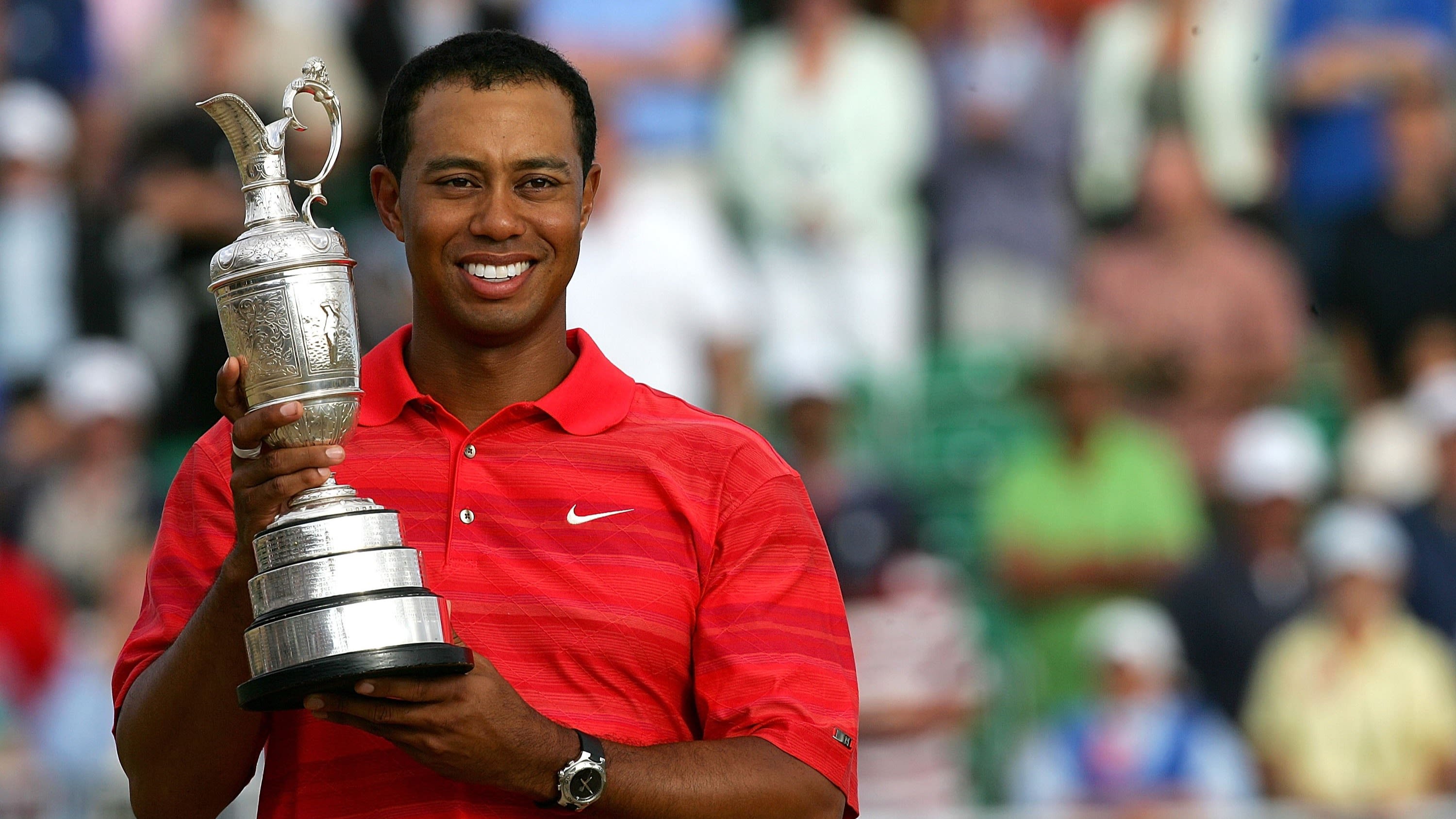
Tiger Woods: Driver Isn't Always the Answer
Woods used the driver only once while winning the 2006 Open at a sunbaked Royal Liverpool. He did not let the yardage on the scorecard decide which club belonged in his hands.
That's something everyday golfers should copy.
One of the first questions I ask in difficult conditions is, “Which club can turn your normal miss into a big number today?” A driver that usually leaks right might find deep rough or out of bounds in a crosswind. A lob wedge that feels comfortable can become a poor choice from a bare lie.
Before the round, put one club on probation. You are not removing it from the bag. You are deciding that the conditions must justify using it.
Jack Nicklaus: Master Club Selection
Nicklaus won three Opens, finished second seven times and recorded 18 top-10 finishes. That consistency points to a player who rarely asked an uncertain shot to produce one perfect outcome.
Firm turf complicates target selection because the landing spot is only part of the shot. Before an approach, ask:
- What happens with the bounce I expect?
- What happens if the ball jumps, kicks sideways or stops sooner?
- Can I play the next shot from both places?
If one realistic bounce brings a pot bunker, deep hollow or short-sided miss into play, move the target. This is not timid golf. It gives a solid swing more than one acceptable finish.
Seve Ballesteros: Tap into Your Creativity
When Ballesteros won at Royal Lytham & St Annes in 1979, he followed advice from Roberto De Vicenzo that fit his game: Hit driver, get closer to the green and trust the recovery skills that made him different.
Getting the ball to tap-in range from bad lies, around the green and more tough spots was one of Seve's greatest gifts. It goes to show -- and you'll see it this week at Royal Birkdale -- that there are multiple ways to scramble.
- Try experimenting with 5-irons and 7-irons from off the green if there's no bunkers or water to carry. Grip down to almost the steel and play the shot like a long putt.
- If you're 20-30 yards away, grab a hybrid or wood. Grip down to the steel with a shoulder-wide stance and play the shot the same way as No. 1 - like a putt. You'll be amazed how it cuts through the turf with control.
- From nasty lies that involve fescue or thick rough, loft is your best friend (Seve knew that best). Play the ball near the front of your stance, open the clubface wide, and accelerate through impact. The club, with extra loft, will tear through the rough and pop the ball up and out.
Tom Watson: Expertly Navigate the Wind
Watson won five Opens in nine years, including his fifth at Royal Birkdale in 1983. Nobody sustains that kind of links success without becoming an exceptional reader of wind.
When breezes start to develop, Watson knew exactly how to tackle downwind, crosswind and into the wind shots through his bag. You can do the same. Try these keys:
- For downwind shots, use the breeze to your advantage. It's not time to swing out of your shoes; it's time for tempo and rhythm. Let the wind carry your ball the right yardage with a smooth swing.
- For crosswind shots, adjust your starting line. Whether it's left-to-right or right-to-left, the ball will move and you need to plan for it. The stronger the wind, the more you adjust. Finish with a controlled follow-through, too - no need to be aggressive here.
- For into-the-wind shots, flighting is critical. Take an extra club, choke down an inch on your grip and play the ball one ball back of your normal position. Make a full turn then abbreviate your finish to get full power plus a lower flight.
Arnold Palmer: Use Experience to Guide Your Round
In a much-heralded debut, Palmer finished second in his first Open appearance at St Andrews in 1960. He returned with fanfare to win the Claret Jug at Royal Birkdale in 1961, then successfully defended The Open at Royal Troon in 1962.
The King's early Open Championship experience happened with a memorable burst but it's a lesson in how golfers can turn rounds of the past into course management cornerstones. Here's what to copy:
- Learn from your mistakes. Bogeys and higher can be costly, and can add up in the tricky conditions of links golf, or anywhere for that matter. When you approach the hole where a bad score happened, play smarter and safer to start: try a 3-wood or a hybrid off the tee; find your favorite yardage for an approach; smooth out your takeaway. All those things together push you away mistakes.
- Remember your best shots. This was an asset of Palmer's. He had a ton of good shots in 1960, and those good memories carried over to Birkdale and Troon. When you arrive at a hole where you need a good shot, think about the last good swing you made with that club. Mirror the rhythm, the turn, the finish ... whatever it was that helped you. Then, lock in on your target and think, "just like the last time." It helps your mentals a ton.
- Make the adjustments to finish better. Just as Palmer got better to win back-to-back Claret Jugs, you can do the same to break your scoring barrier or win a match. Finishing strong requires strong fundamentals, as they're usually the first thing to go out the door down the stretch. Check your grip, your alignment and posture. All good? Then let it rip and finish strong.
PGA of America Golf Professional Brendon Elliott is an award-winning coach and golf writer. Read his recent “The Starter” on R.org and his stories on Athlon Sports. To stay updated on his latest work, sign up for his newsletter and visit OneMoreRollGolf.com.