Leaderboards
  Become a Member
  Shop
Shop  Trade In
 quick coaching
3 Stroke-Saving Golf Tips From Akshay Bhatia to Lower Your Scores
By Brendon Elliott, PGA
Published on
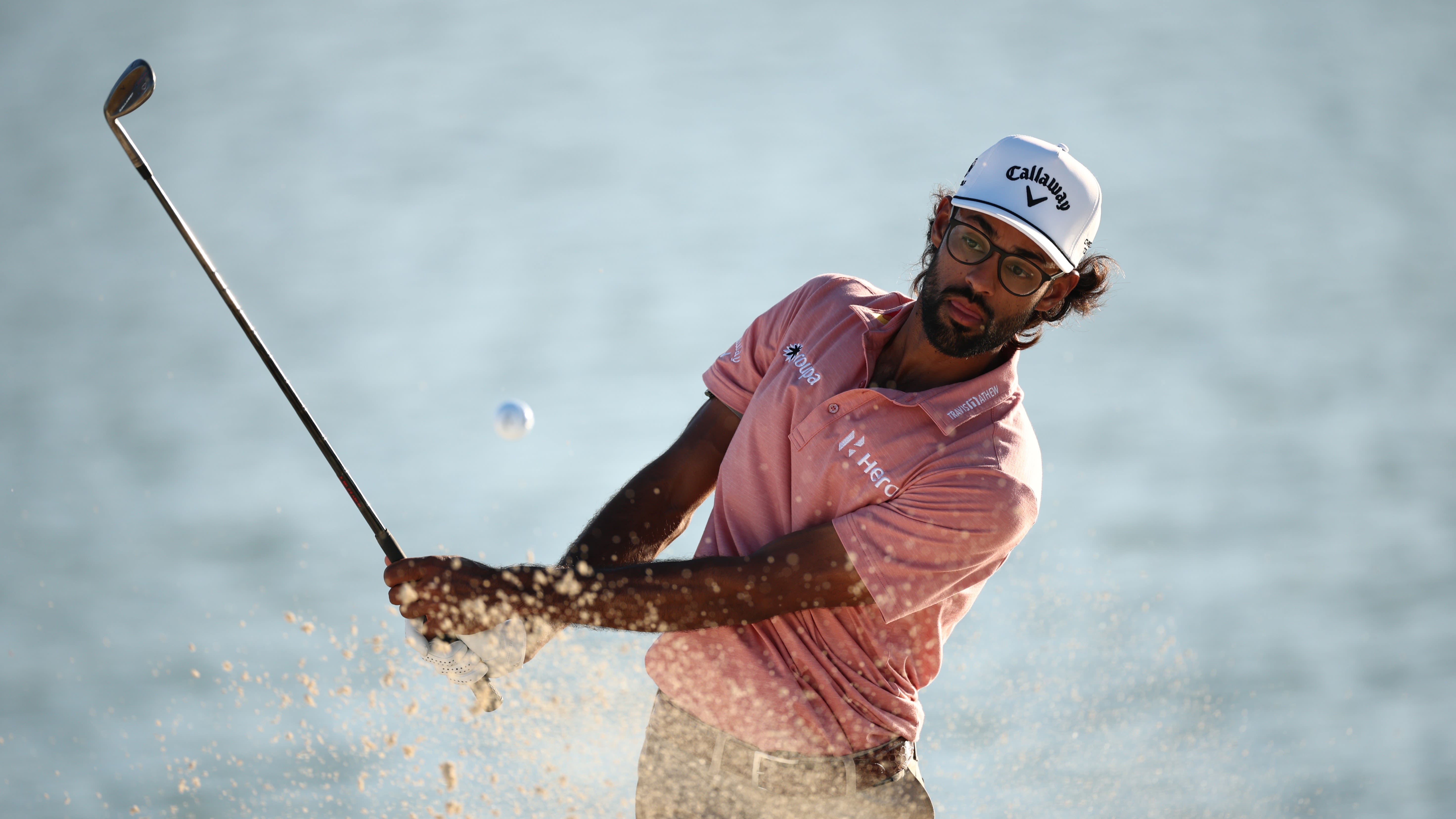
Akshay Bhatia sits in a five-way tie for the lead at 10-under par through two rounds of the Hero World Challenge at Albany Golf Course. The 23-year-old is playing great golf, and there are 3 specific lessons from his performance in the Bahamas that translate directly to your game.
Master Your Short Game When Your Long Game Isn't Perfect
Bhatia's week so far tells an interesting story. He's not leading the field in driving accuracy (T14th at 69.23%) or even off-the-tee statistics (ranked 9th in Strokes Gained: Off the Tee). Yet he's tied for the lead. His short game has been stellar.
Bhatia is 100% in sand saves through two rounds (4 for 4, tied for first), and he's ranked 6th in Strokes Gained: Putting with a remarkable 2.305 strokes gained. On Friday alone, he finished second in the field in Strokes Gained: Putting at 1.872. That's what keeps him in contention even when he's not striping every drive down the middle.
Why it matters: Golf isn't about perfection. It's about damage control and capitalizing on opportunities. You're going to miss fairways and greens. What happens next is what separates good rounds from bad ones.
How to blend it into your game: Spend more time on and around the practice green than you do on the range. For every 30 minutes you hit balls, spend 60 minutes chipping and 60 minutes putting. Get comfortable from 3-10 feet, because that's where you'll save (or lose) the most strokes. Practice those awkward bunker shots and tight lies around the green. Bhatia's 100% sand save percentage didn't happen by accident. It's the result of countless hours of practice in situations where most amateurs struggle.
Find Balance Between Golf & Life
In his interview after Friday's round, Bhatia revealed: "I think that I don't really realize how young I am. This week I'm the youngest player in the field." He's been asking himself what Scottie Scheffler was doing at 23, reminding himself to slow down and not let golf dictate his happiness.
After a mentally exhausting 2025 season, Bhatia took the offseason to step back. He played just twice in the fall, spending quality time with his fiancée, Presleigh Schultz, and working on finding happiness outside of golf. "Just find happiness for myself, especially when things aren't going well," he said.
Why it matters: When golf becomes your entire identity, every bad shot feels like a personal failure. That pressure is suffocating and actually makes you play worse. The best players in the world, like Scheffler, whom Bhatia admires, have rich lives outside of golf that give them perspective and peace.
How to blend it into your game: Stop defining yourself solely by your handicap or last round's score. Invest in relationships, hobbies, and experiences that have nothing to do with golf. When you step onto the course, you'll feel less pressure and more freedom. Take breaks when you need them. If you're grinding too hard and losing joy, step away for a week or two. The game will be there when you return, and you'll likely play better with fresh eyes and a refreshed mind.
Under Pressure, Practice Patience
Bhatia birdied the 18th hole for the second consecutive day to regain a share of the lead. That's clutch golf, but it's also a testament to patience. He didn't panic when others made moves. He stuck to his process, trusted his game, and delivered when it mattered.
"I just try and remind myself that no matter how hard or easy certain things feel, it's a long career," Bhatia said. He's in his sixth year as a pro, yet he's still the youngest in this elite field.
Why it matters: Golf rewards patience more than aggression. The player who stays calm, sticks to their strategy, and doesn't force things usually outlasts the player who tries to make something happen on every shot.
How to blend it into your game: Before each round, commit to a game plan and stick to it, even when things get tough. Don't let one bad hole derail your entire round. Focus on the process: your pre-shot routine, your breathing, your commitment to each shot, rather than the outcome. Remember, it's 18 holes, not one. Trust that good swings and smart decisions will eventually produce good scores.
Bhatia is showing us that great golf comes from balance, patience, and making the most of what you have on any given day. Apply these three lessons and you'll see real improvement in your scores.
PGA of America Golf Professional Brendon Elliott is an award-winning coach and golf writer. Read his recent “Playing Through” on R.org and his stories on Athlon Sports. To stay updated on his latest work, sign up for his newsletter and visit OneMoreRollGolf.com.